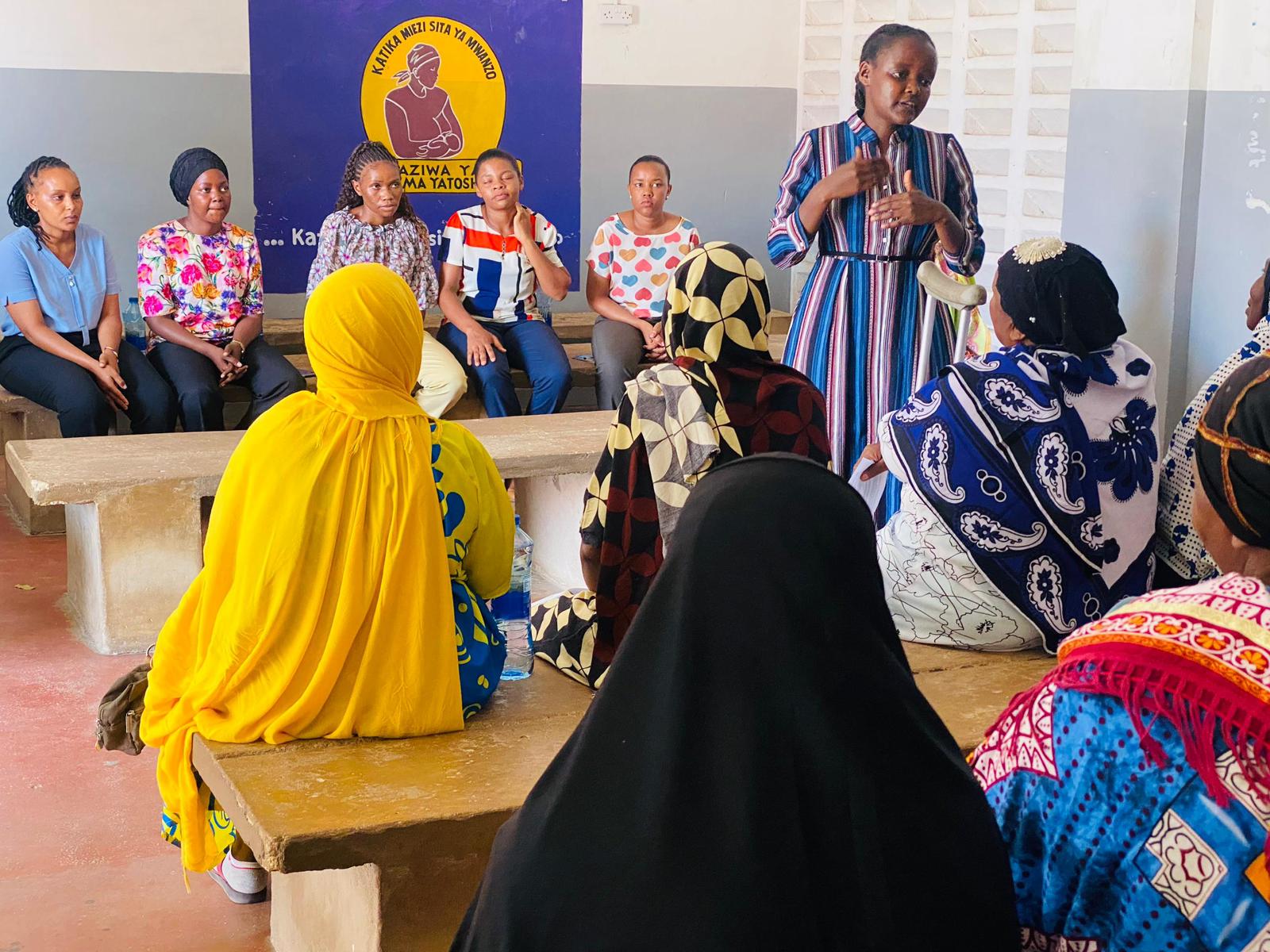
Good communication in research does not end when data collection and analysis do. For participants in the META Trial, exiting the study is an opportunity: a moment to leave with practical information that can support healthier food choices long after their formal participation has ended.
With this in mind, the META Trial’s Communications and Dissemination team expanded its participant-facing activities in late 2025 and early 2026 to develop culturally and linguistically appropriate nutrition education materials in English and Swahili. These resources were designed to accompany participants as they transition out of the trial and continue making informed decisions about food, blood sugar regulation and long-term well-being.
At the centre of this work was a collaborative co-creation process involving expertise across participants, disciplines and countries. The educational materials were developed by Saba Mohamed Bibi, nutritionist and postdoctoral researcher at the ISGlobal Public Health Liver Group, together with Anthony Armenta, Communications Lead, in close collaboration with Magreth Angelus, on-site project coordinator in Tanzania, and Gelagister Gwarasa, Tanzanian nutritionist. At the same time, much of the content related to frequently asked questions was informed by participants in the trial during clinic visits.
This multidisciplinary collaboration recognised that effective health education goes far beyond translation. It requires understanding how people speak about health, how they make decisions about food, and what foods are locally accessible, affordable and culturally familiar in everyday life.
Through the co-creation process, the team identified important differences while working to adapt nutritional concepts to the local context. For example, organising recommendations around nutrients such as “protein” could create confusion, as the term is not always used in the same way in local conversations about food. Instead, the guidance was structured around familiar meals, locally recognised foods (animal-source foods, e.g. edible insects, fish, legumes, eggs, meat, as well as plant-based sources) and practical dietary choices.
Before beginning the co-creation process, on-site staff in Tanzania recognised the importance of these visually appealing nutrition education materials. Both health professionals and those living with pre-diabetes and/or HIV had commented that such culturally and linguistically adapted brochures and documents were either limited or not readily available.
The same applied to the adaptation of the Harvard Healthy Eating Plate framework and “Food guide graphic” included in the Tanzania Mainland Food-based Dietary Guidelines. While this provided useful structure references, the visual materials were redesigned using locally available foods and culturally appropriate cooking methods. Rather than presenting a generic idea of “healthy eating,” the materials showed how balanced meals can be achieved using seasonal and local foods, served and eaten in culturally appropriate ways in Tanzania.
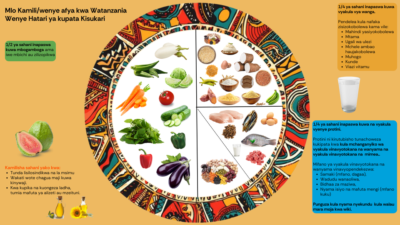
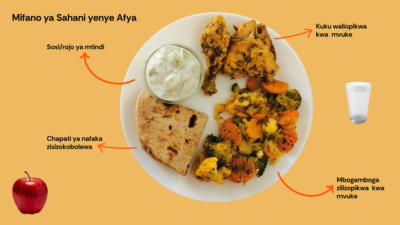
The nutrition educational package includes five complementary resources:
- “Healthy Eating / 10 Tips to Eat Healthier” introduces the basic principles and benefits of a healthy diet;
- “Tanzanian Healthy Plate: A Booklet for Healthy Lunches and Dinners” illustrates five examples of balanced meals using local and cultural foods;
- ”Glycaemic Index (GI) of Food” explains how GI relates to managing blood sugar and offers practical guidance for maintaining more stable glucose levels;
- “Daily Health Menu” provides structured meal examples and tips for planning four to five meals per day; and
- “Frequently Asked Questions” responds directly to questions raised by participants related to nutrients; meal timing and fasting frequency; sugar, sweets, honey and alcohol; and fruits, vegetables and portion sizes. The content was written using clear, non-judgemental language and an accessible visual format.
“This is what made the co-creation process so important. It helped ensure that the materials did not impose external assumptions, but instead responded to participants’ realities, questions and needs.”
Printed versions of the materials are being distributed by on-site staff in Tanzania, while digital versions were also created for easy sharing through commonly used platforms such as WhatsApp.
For the META Trial, this work reflects a simple but important principle: participant communication should be useful, respectful and rooted in context. By co-creating these materials with local expertise, the trial is helping ensure that participants leave not only with information, but with tools they can recognise, trust and use.