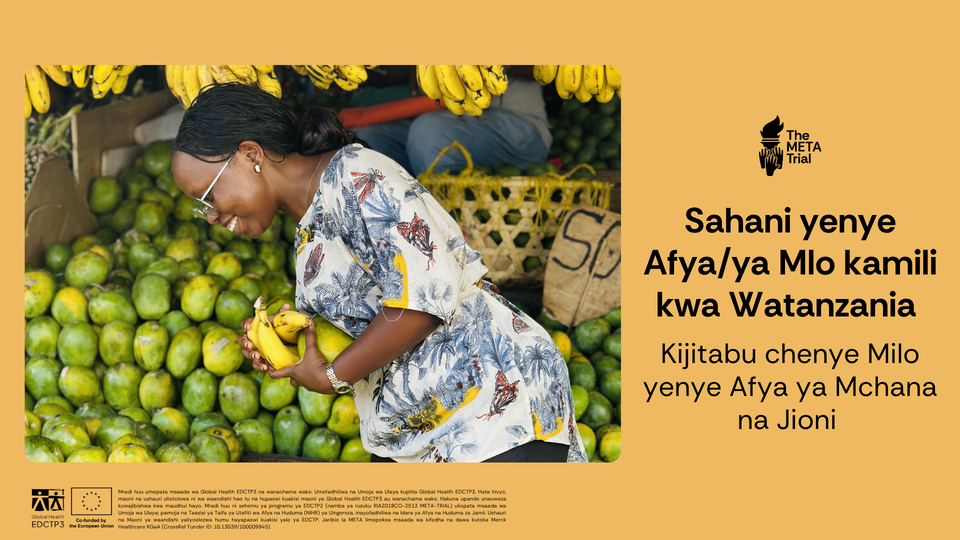
On World Diabetes Day, we revisit an exchange with one of the META Trial participants—a reminder that behind every data point lies a story. One voice, one choice to participate, and one act of trust in the potential of research to shape better health for all.
In honor of World Diabetes Day, the META Trial shares a glimpse into one of the many stories that give this project its meaning. The account comes from a participant interviewed earlier this year at one of the five participating centres in Dar-es-Salaam, with the kind support of project assistant Magreth Angelus.
What is The META Trial?
The META Trial—the largest metformin trial ever conducted in Africa—aims to identify a low-cost intervention to prevent or delay diabetes among people living with HIV and pre-diabetes who are on antiretroviral therapy (ART). Beyond this main goal, META also strengthens local research capacity, compares diagnostic methods for diabetes, and explores how HIV and diabetes intersect in people’s lives.
“The META Phase 2 trial showed that metformin was safe in the trial cohort. The META Phase 3 trial is a larger study with a longer follow-up to definitively test whether metformin can delay progression to diabetes in this population.â€
A Quiet Story of Strength
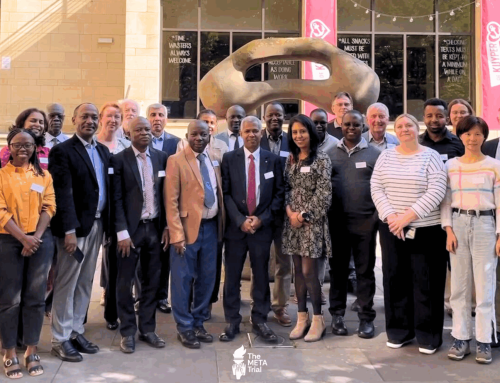
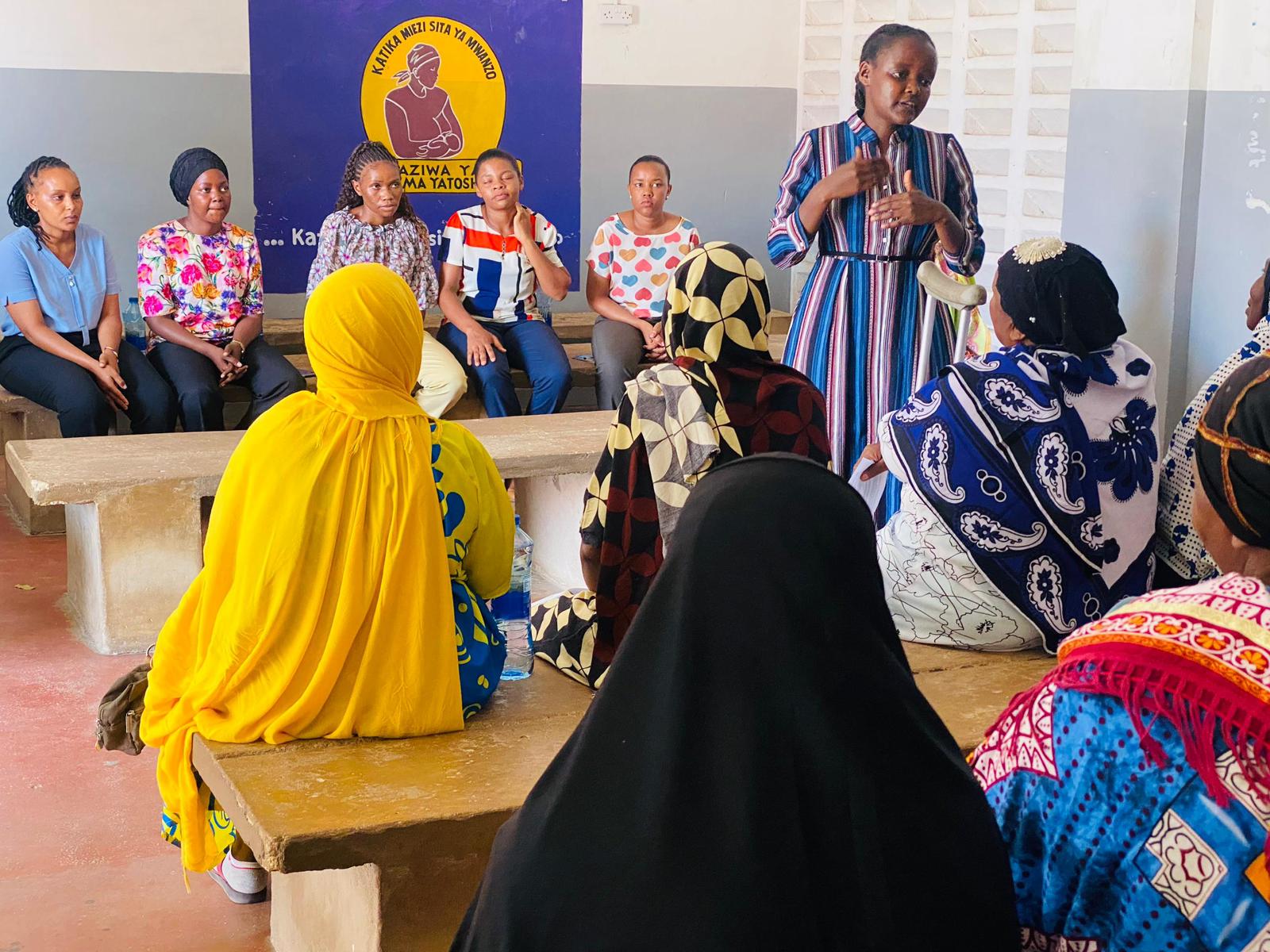
In February 2025, members of the Barcelona Institute for Global Health (ISGlobal), the Liverpool School of Tropical Medicine, and University College London (UCL) travelled to Tanzania to meet with local staff and advance project goals. The visit included tours of the five clinical sites across the city—each a hub of commitment and learning, where clinicians, pharmacists, and participants contribute daily to the study’s progress.

META Trial Communications Lead Anthony Armenta and Project Assistant Magreth Angelus
For the project’s communications lead Anthony Armenta, together with Magreth, the visit was more than a monitoring exercise. It was a chance to listen—to sit in a waiting room where research meets reality, and to speak with a 61-year-old woman, unemployed at the time yet composed and quietly strong, who had chosen to take part in a study that could change the course of health for many others like her.
She joined the META Trial when it first began in 2021. Living with HIV and pre-diabetes, she enrolled because she saw the trial’s potential to prevent progression to diabetes. She had already survived cancer and heart disease. To her, health was not abstract—it was life itself. Speaking in her native Swahili, she explained that she had seen others in her community lose limbs due to diabetes. “I didn’t want the same,†she said softly, leaning back in her chair, chin resting on a fist-formed hand.
She spoke clearly about the study—its medication and placebo arms, the OGTT (glucose test), and its purpose. Information had been explained to her in her local tongue from the start. She appreciated being able to contact her doctors directly when she had a question and received mobile reminders to help her keep up with appointments. Although glucose levels were sometimes difficult to interpret, she never hesitated to ask for clarification. Her calmness—and the gratitude she expressed toward the clinical staff—left a lasting impression.
-

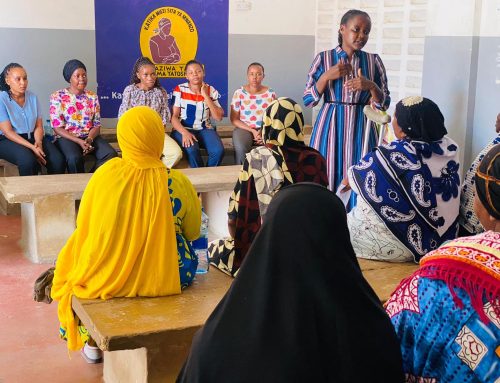
- META Trial Site in Tanzania
-

- META Trial Site Team at Hospitali Ya Rufaa Ya Mkoa Mwananyamala (From left to right: Calvin Kaaya, Magreth Angelus, Doreen Philbert (sitting), Emiliana Kokutangilira)

-

- Image of OGTT Solution

At one point, we paused the back-and-forth questions, careful not to overwhelm her. We asked Magreth to translate and sense whether she was comfortable continuing. The woman waved us on with a small smile. She still had tests ahead, she said, and enjoyed sharing her experience—her story.
With her consent, we asked why taking part in the trial mattered to her, and what she hoped it might achieve. She mentioned the expected benefits: contributing to research on diabetes prevention, learning about healthier diets, and receiving more integrated care. Then her tone changed.
For her, the trial—whatever its scientific outcome—represents something larger: awareness. It allows her community to better understand a disease affecting more than 24 million Africans, and to act before it’s too late. “Diabetes is bad and dangerous,†she said, “and people should know the right information to prevent it.â€
She paused, then added, “If this trial could be replicated outside of Tanzania, to other parts of Africa—that matters. Because I want those other people to get the help that I received here.â€
On World Diabetes Day, her words serve as a quiet reminder of why this work continues—why, despite challenges, distance, and limited resources, researchers and communities remain committed to finding solutions that are accessible, equitable, and grounded in lived experience.
The META Trial is not only about testing a low diabetes intervention; it is about helping bridge the gap between science and lived experience—lighting the path forward toward better health for all. To learn more about the META Trial and how it is helping communities lead healthier lives, visit https://www.inteafrica.org/related-projects/meta-trial/.